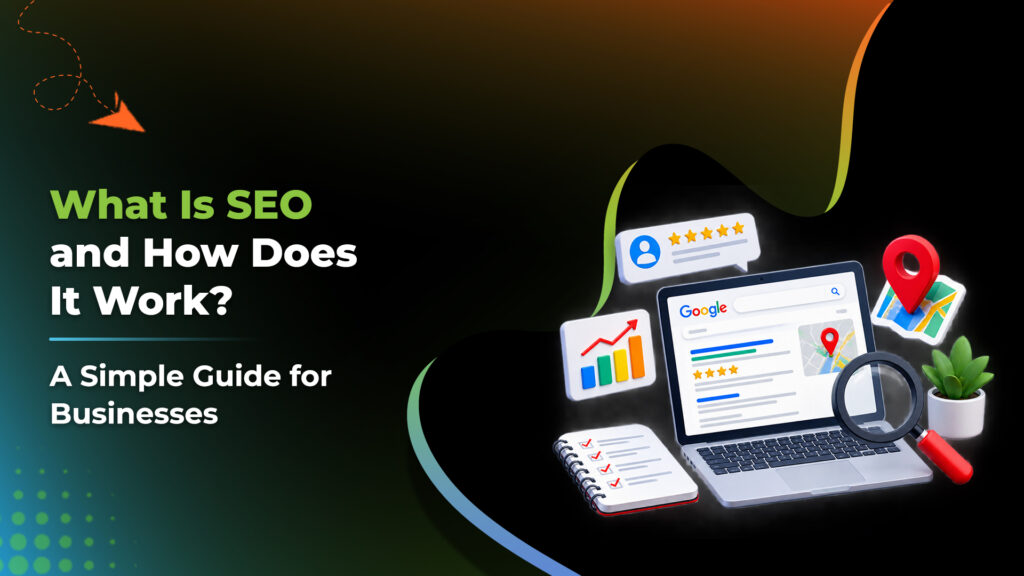
What is SEO? SEO, or search engine optimization, is the practice of helping search engines understand your website so the right people can find it in organic search results, without paying for each click. It covers the content on your pages, the technical health of your site and the trust your business earns across the web.
SEO is the work of making your website easy for search engines to find, understand and trust. Google describes it as helping search engines understand your content and helping people decide whether to visit.

How Does SEO Work?
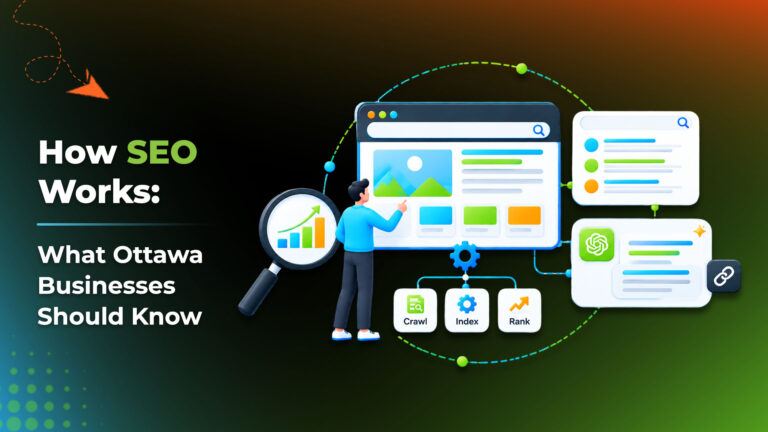
Search engine optimization explained simply: Google has to find your page, store it, then decide when to show it. Google’s guide to how Search works describes these stages. Tap each tab.
How does Google find and show your page?
Automated programs called crawlers follow links and download the text, images and videos on your pages.
Your job: link your pages together and do not block important ones.
Google processes each page and saves the information in its index, a very large database. Google says not every page it processes gets indexed.
Your job: publish clear, useful, original pages.
When someone searches, Google returns the results that match. It says relevance depends on hundreds of factors, including location, language and device.
Your job: match what the searcher wants.
Google says it does not guarantee that it will crawl, index or show any page, and it does not accept payment to rank pages higher.
What Are the Main Types of SEO?
SEO basics for beginners fit into four areas. Open each one.
1. Keyword research and search intent
Keyword research finds the words customers type. Search intent is the reason behind them, such as learning, comparing or buying.
Do thisChoose one main phrase per page and check what kind of pages already rank for it.
Watch forTargeting a phrase where results show a different kind of page than yours.
2. On-page SEO and content optimization
This covers what is on the page: titles, headings, copy and images.
Do thisGive each page a unique, clear title and add descriptive image alt text, as Google’s starter guide advises.
Watch forRepeating the keyword unnaturally.
3. Technical SEO
This makes sure search engines can crawl and index your site, and that it works well on phones.
Do thisCheck that key pages are not blocked and load quickly.
Watch forAccidentally blocking pages you want found.
4. Off-page SEO and backlink building
Links and mentions from other sites show that others find you useful.
Do thisEarn links with useful content and real local relationships.
Watch forBuying links, which can break Google’s spam policies.
What Is Search Intent?
Search intent is what a person wants when they type a query. Matching it is how search engines rank websites that feel useful, so each page should serve one clear intent.
| Search intent | Example search | Page that fits |
|---|---|---|
| Learn | what is seo | A guide like this one |
| Compare | best SEO agency in Ottawa | A service or comparison page |
| Act | book an SEO audit | A service page with a clear contact step |
| Find a place | seo agency near me | A local page and a Business Profile |
What Does SEO Look Like for a Small Business?
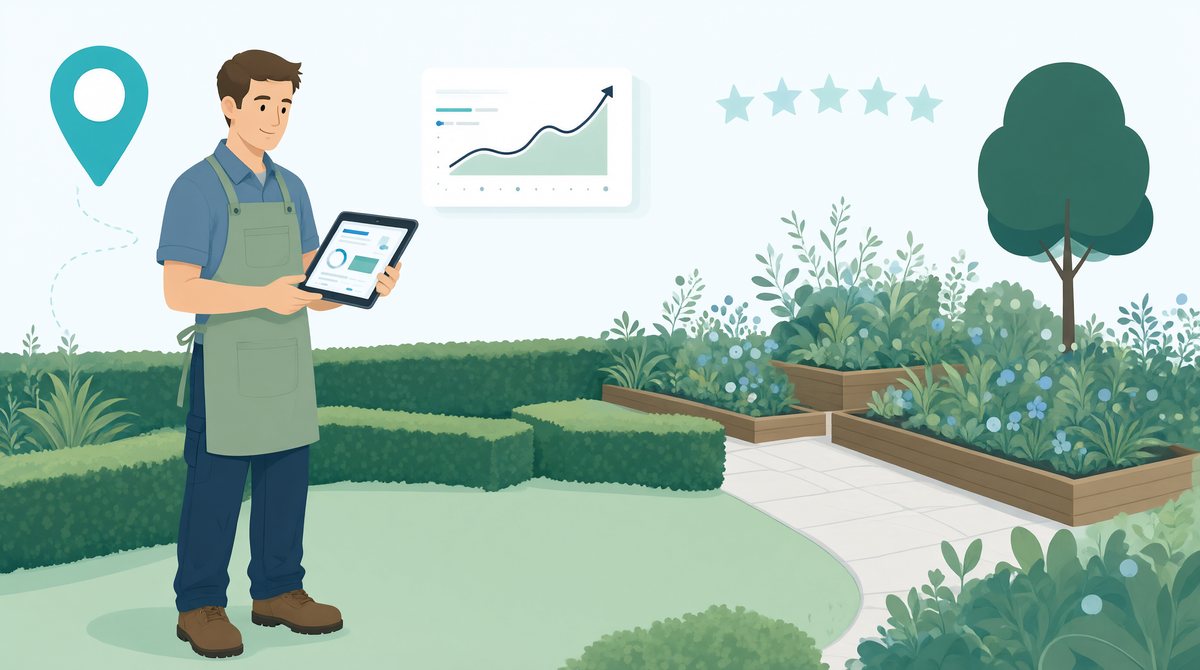
Here is an illustrative example, not a client result. An Ottawa landscaping company wants more enquiries from search. The owner works through the same four areas above, one step at a time, and none of it needs special software to begin.
| Step | What the owner does | Why it helps |
|---|---|---|
| 1. Research | Lists the services customers ask about and checks what searchers want | Pages match real demand |
| 2. Pages | Builds one page per service with a clear title and photos with alt text | Google and visitors understand each page |
| 3. Technical | Checks pages load quickly on phones and can be indexed | Pages can be found and used |
| 4. Local | Completes the Google Business Profile and asks for reviews | Helps in local results |
| 5. Links | Gets listed by local suppliers and associations | Builds trust beyond the website |
| 6. Track | Reviews queries and clicks in Google Search Console | Shows what to improve next |
What Are the Benefits of SEO for Small Businesses?
The benefits of SEO for small businesses come from being visible at the moment a customer is looking, so competing with larger brands becomes more realistic.
| Benefit | Why it matters |
|---|---|
| Visitors without paying per click | Organic results are earned, not bought |
| Customers with intent | People searching are already looking for what you offer |
| Trust | Showing up in search, with good reviews, builds credibility |
| Value over time | Good pages can keep attracting visitors |
| Measurable | Search Console shows queries, clicks and pages |
What Are Common SEO Myths?
A few beliefs cause most beginner mistakes.
Myth: SEO is a one-time job
Competitors publish new pages and searchers change what they look for, so results move over time.
InsteadReview your key pages and search data on a regular schedule.
Myth: more keywords means better rankings
Repeating a phrase makes writing harder to read and does not make a page more useful.
InsteadWrite naturally for the reader and cover the topic clearly.
Myth: someone can guarantee page one
Google ranks pages using many signals and does not accept payment for higher placement.
InsteadAsk any provider what they will do, not what they promise.
Where Should You Start?
Google’s SEO Starter Guide is a good free reference. Tick what you have already done.
Your SEO basics checklist
Do You Need Help With SEO?
You can start with the checklist above. If your market is competitive, your site has technical problems or you simply lack time, our SEO service covers keyword research, on-page work, technical fixes and link building. We do not promise rankings, because no one can.
Frequently Asked Questions
What does SEO mean?
SEO stands for search engine optimization. It means helping search engines understand your website so people can find it in organic results.
How long does SEO take?
Google does not publish a timeline, and no one can guarantee a ranking. Results depend on competition, site quality and how much you publish.
Is SEO different from Google Ads?
Yes. SEO targets organic results, while ads are paid placements. Google says it does not accept payment to rank pages higher in organic results.
Can I do SEO myself?
Yes. Titles, useful content, a fast site and a complete Business Profile are all within reach. A specialist helps with technical work, competitive markets and time.
Does a small business need SEO?
If customers search for what you offer, SEO helps them find you. For local services, a Business Profile and reviews matter as well.
Final Thoughts
SEO is not a trick. It is a steady habit of making your site clear, useful and trustworthy. Start with one page, match what searchers want, and build from there.